

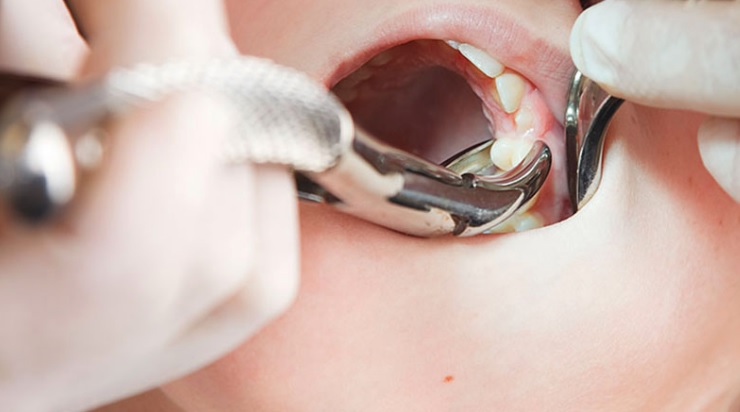
Images are included for general illustration and do not establish or predict an individual treatment outcome.
Prepare for aftercare before treatment
If extraction is proposed, ask why it is needed, whether the tooth could be retained and what the alternatives involve. Removal is irreversible. A second opinion from an appropriately qualified dental practitioner may help you consider invasive treatment.
Before leaving the appointment, obtain instructions suited to the procedure and your health. Ask about eating, cleaning, activity, medicines and who to contact if a problem arises. Follow the treating team’s instructions rather than assuming that one recovery schedule fits every extraction.
Protect the healing area
The socket needs time to heal. Follow advice about managing early bleeding and avoiding activities that disturb the area. Ask when to resume rinsing, exercise and your usual diet. Smoking can impair healing; discuss support if avoiding it is difficult.
Take medicines only as directed and check with the dentist, doctor or pharmacist if you are unsure about their suitability. Do not change prescribed medicines on your own. Sedation or general anaesthesia can require additional supervision and restrictions, which the treating team should explain.
Know when to seek help
Some discomfort, swelling or minor bleeding may occur, but recovery should be reviewed if symptoms persist or worsen. Contact the treating practitioner for increasing pain, worsening swelling, fever, bleeding that does not settle or unexpected altered sensation. Dry socket and infection need professional assessment.
Call 000 for difficulty breathing or swallowing, severe uncontrolled bleeding or other signs of a medical emergency. Do not wait for a fixed number of hours if bleeding is heavy or you feel seriously unwell. Following aftercare reduces some risks but cannot guarantee a complication-free recovery.
Related articles
- When Might a Tooth Need Removal?
- Tooth Removal Fees: Procedure and Aftercare
- Urgent Dental Care: Finding Appropriate Help
This article provides general information only. An examination is needed to assess your circumstances and suitability for treatment. All dental treatment carries risks, and results vary between individuals.