

Images are included for general illustration and do not establish or predict an individual treatment outcome.
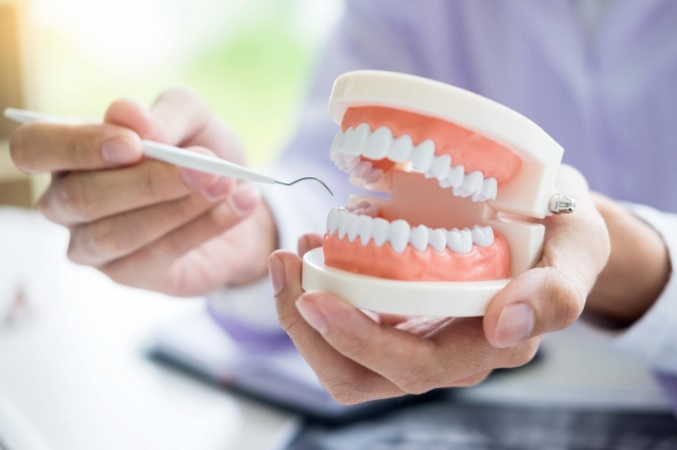
Why deposits may need professional removal
Plaque is a film that forms on teeth. When deposits harden into calculus, also called tartar, they cannot be removed effectively by normal brushing alone. Scaling uses dental instruments to remove these deposits where treatment is indicated.
Your dental practitioner will assess the teeth and gums before recommending care. Bleeding gums, an unpleasant taste or persistent bad breath can have different causes; cleaning alone is not a diagnosis or a solution for every symptom.
Routine scaling and gum treatment differ
Scaling can form part of a routine cleaning appointment. More involved cleaning beneath the gums may be needed for diagnosed gum disease, sometimes over several visits. The practitioner should explain the findings, treatment scope and review plan.
Removing deposits and some surface stains is not the same as tooth whitening. Scaling does not permanently prevent plaque, make a tooth immune to decay or establish that all causes of bad breath have been treated. Daily care remains necessary.
What to discuss afterwards
Temporary sensitivity, gum tenderness or bleeding can occur, particularly where gums were inflamed. Ask what to expect in your circumstances and when to contact the practice. Persistent or worsening symptoms need review.
Follow advice on brushing and cleaning between teeth. The recommended interval for future visits should reflect your oral health and risk factors rather than the same timetable for everyone. Discuss which findings can be monitored, the consequences of postponing necessary care and whether referral to a periodontist is appropriate.
Related articles
- Dental Cleaning: What the Appointment May Involve
- Gum Disease: Signs, Assessment and Ongoing Care
- Teeth Cleaning Costs: What to Ask Before a Visit
This article provides general information only. An examination is needed to assess your circumstances and suitability for treatment. All dental treatment carries risks, and results vary between individuals.